
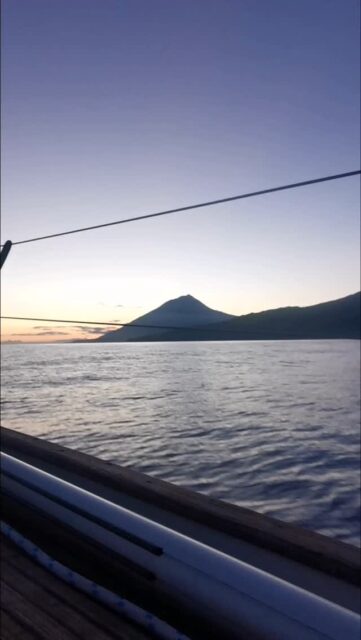
As Pico rises from the horizon, it feels less like an island and more like a promise.
After days at sea, its peak stands silent and eternal, welcoming us with the kind of presence that only mountains born from fire can have. I dream with a house that I will build on it's slope one day.
The sun slips behind its slopes, painting the sky in gold and violet, and we know—we have arrived. Not just to land, but to a place that has lived in the dreams of countless sailors before us.
7 months ago
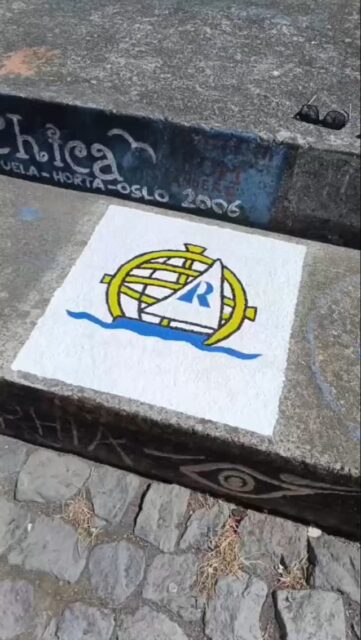
Here, on the harbour wall of Horta, we add our colours to a story written in salt and wind.
For decades, sailors from every horizon have left their mark here—small painted fragments of journeys that crossed the wide Atlantic, each one a promise kept between sea and crew.
Our hands follow the same ritual: brush on stone, pigment meeting sunlight, an image that will remain long after our sails have gone. This is not just a sign—it is a handshake with every sailor who came before, and a beacon for those yet to arrive.
In this island, where the ocean always whispers of faraway places, our mark says: we were here, we faced the sea, and we made it.
And now, our story joins the great mural of the mariners.
#HortaHarbour #SailorsTradition #AtlanticCrossing #WeWereHere #LisbonToHorta #SailingLife #LeaveYourMark
7 months ago
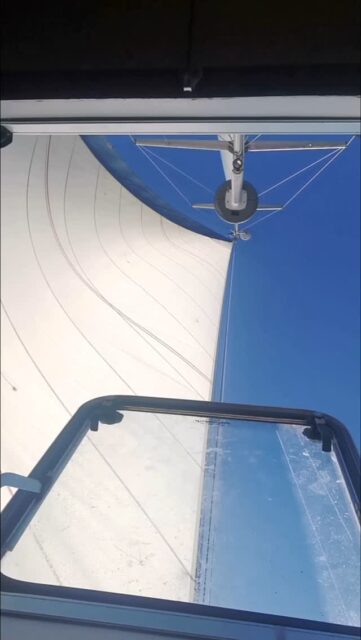
My favorite view from my cabin
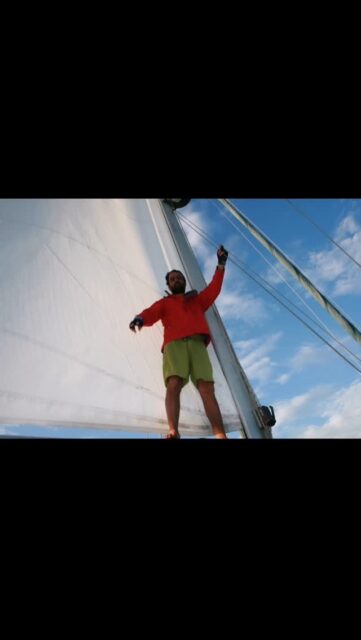
Looking up at the sail, it feels as if the sky itself is pulling us forward.
The wind hums through the rigging, steady and sure.
Out here, there is no rush—only rhythm.
The mast rises like a quiet monument to perseverance, and the sail dances, carrying our journey in its folds.
Each gust is a gift, each wave a gentle reminder:
progress is made not in sudden leaps, but in the patient trust that the wind will come, and we will be ready to take it.
#LifeUnderSail #LisbonToHorta #AtlanticCrossing #WindAndCanvas #OceanPerspective #SailingLife
7 months ago
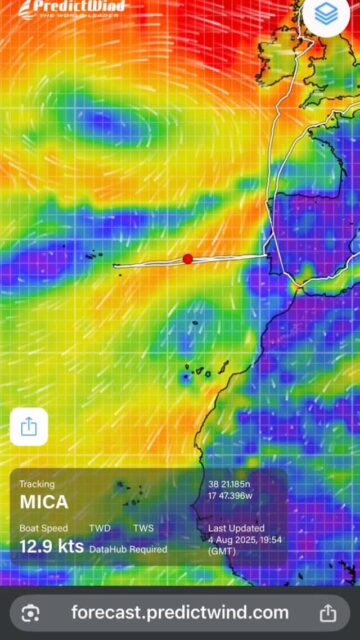
The ocean between Lisbon and Horta was not gentle—it demands patience, courage, and the quiet strength to face what cannot be controlled.
We have sailed the first two nights where the stars hid behind black clouds,
and days when the horizon seemed impossibly far.
Waves slammed against MICA all the way.
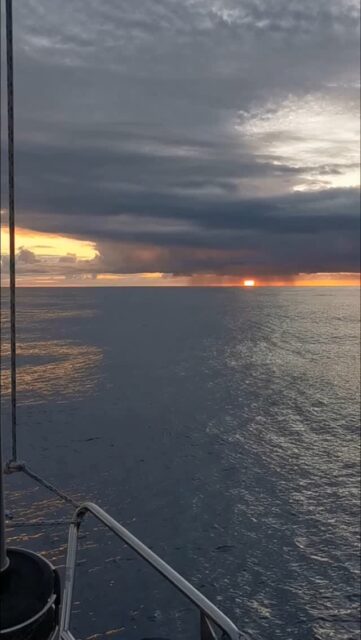
Now, the sun lowers itself into the sea,
spilling fire over silver water,
and the world feels both endless and at peace.
#LisbonToHorta #AtlanticCrossing #SunsetAtSea #SailingLife #FromStormToCalm #AzoresBound
7 months ago
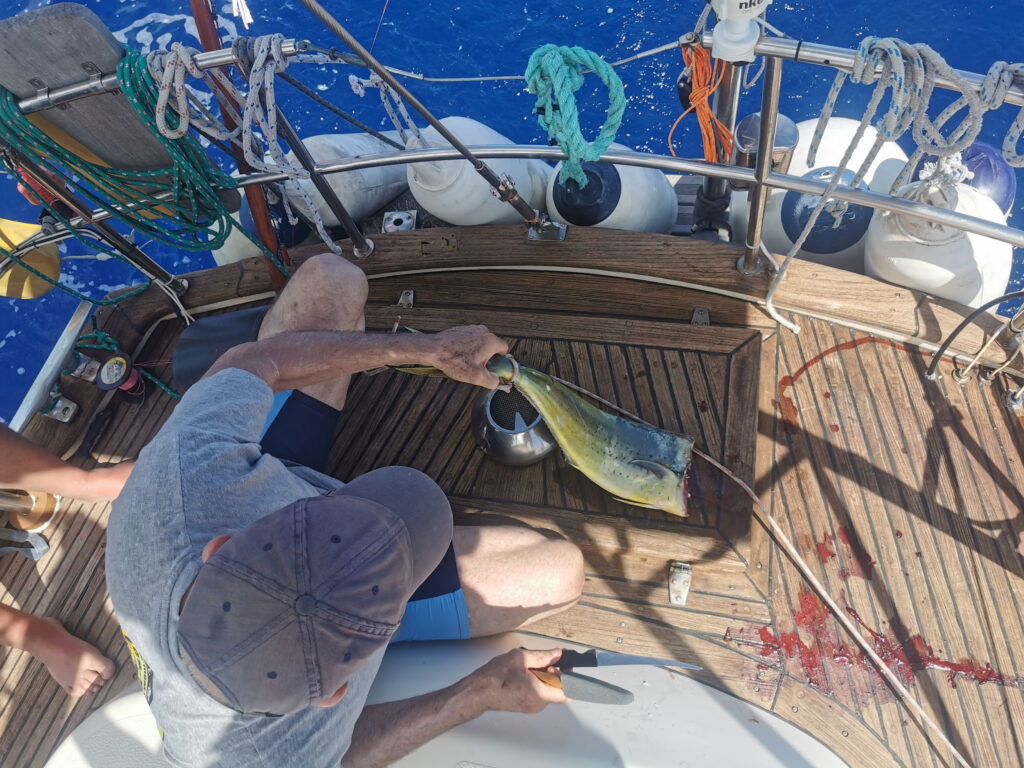
Alex in his element. An experienced sailor taking on the journey from Azores to Lisbon. It’s not just a trip — it’s the challenge, the freedom, and the simplicity of someone who feels at home at sea
8 months ago